
Greece is a country made for sharing. Few destinations bring a group closer than this land of sunshine, history and sea. Families, friends, clubs, schools and work teams all discover something to love, from ancient temples to peaceful beaches. Greece tours turn that wide choice into relaxing days, with organised plans and shared costs.
This guide travels across the whole country, from Athens to the mainland and the islands. It explains what to visit, which excursions suit each member, and what is included, from guides to meals and swims. Readers of My Greece Tours often ask how a group can see more for less, so value shapes every tip.
What Should Groups Know About Greece Tours In The Capital?
Athens packs the most famous monuments of ancient Greece into a compact, walkable centre. Group excursions here combine historic ruins with sea cruises, cooking classes and private guides. Planners who compare Greece tours and Tours In Greece often begin their search here in the capital. The city is also a practical base for day trips.
What should be on every group list in the capital?
The Acropolis hill rises above Athens, crowned by the Parthenon, a marble temple built for the goddess Athena. On its south slope sits the Theatre of Dionysus, often called the birthplace of Greek drama. Below the hill, the Acropolis Museum has glass floors that show the ruins of an old neighbourhood under visitors’ feet.
The Roman Agora was a busy market square from the time Rome ruled Greece. Beside it, the Tower of the Winds is an elegant marble tower decorated with flying wind gods. Hadrian’s Arch, a stone gateway honouring a Roman emperor, leads toward the National Garden. This shady park lets tired legs finally recover.
In the evening, the historic quarter of Psyrri fills with colourful street art, live music and family tavernas. Its lanes are perfect for long group dinners. For a memorable sunset, Cape Sounion sits at the tip of Attica. There, the Temple of Poseidon, god of the sea, stands on a cliff above the water.
How are Greece tours set up in the capital?
Private Greece tours with a driver-guide are the ideal option for families and mixed ages. The price is set for the whole party, not per person, so a bigger group divides the cost and saves more. The guide drives, explains the history and stops whenever grandparents need a rest or children need a break.
Boat cruises with swim stops suit friends and work teams who need a refreshing escape from the city heat. Many sail from the Athens Riviera to quiet bays with clear, inviting water. A private skipper can also take the group out on its own. This works beautifully for birthdays, club outings and family celebrations.
Guided walking tours are perfect for school groups and curious minds, since the guide turns every ruin into an exciting story. Cooking classes and wine tastings suit adults and teams who want to bond. Everyone chops, laughs and eats together, and the food tastes better because the whole group prepared it side by side.
Which services make Greece tours in the capital easier?
Many Greece tours at sea include lunch or a BBQ meal on board. Then nobody hunts for a table big enough for everyone. Drinks come with most cruises, and some boats serve them without any limit. That keeps the day relaxed, since no one has to calculate who owes what at the end.
A licensed guide matters more than many groups expect. Licensed guides in Greece study seriously to earn their badge, and they understand the history behind every stone. A local guide also knows the shady corners, the quickest routes and the cleanest restrooms. That knowledge is especially valuable when a large party is on the move.
Wine tastings add a calm, grown-up break to a busy day of sightseeing. Swim stops do the same for younger members, who usually need to cool off and use up their extra energy. Together, these extras keep every generation happy. The organiser never has to book them separately or chase individual payments.
Which tricks save time for groups in the capital?
Arrive at the Acropolis when the gates open, before the heat and the cruise crowds build. Choose a leader with a bright hat or colourful umbrella so everyone can spot them on the busy hill. Agree on a meeting point, such as the museum entrance, in case anybody wanders away from the group.
Each person should carry water, sunscreen and comfortable shoes with good grip, since the ancient marble paths are especially slippery. Plan a long lunch in the shade during the hottest part of the afternoon. For more ways to stretch the budget, read these budget travel tips for Athens before the group arrives.
What Can Groups Expect From Greece Tours In The Mainland?
The mainland holds the legendary sites of Greek mythology, from Delphi to the monasteries of Meteora. Groups visit them on day trips or longer tours with hotel nights. Most mainland Greece tours start in Athens and follow modern roads, so coach rides feel comfortable. An experienced guide connects every stop into one big story.
What should be on every group list in the mainland?
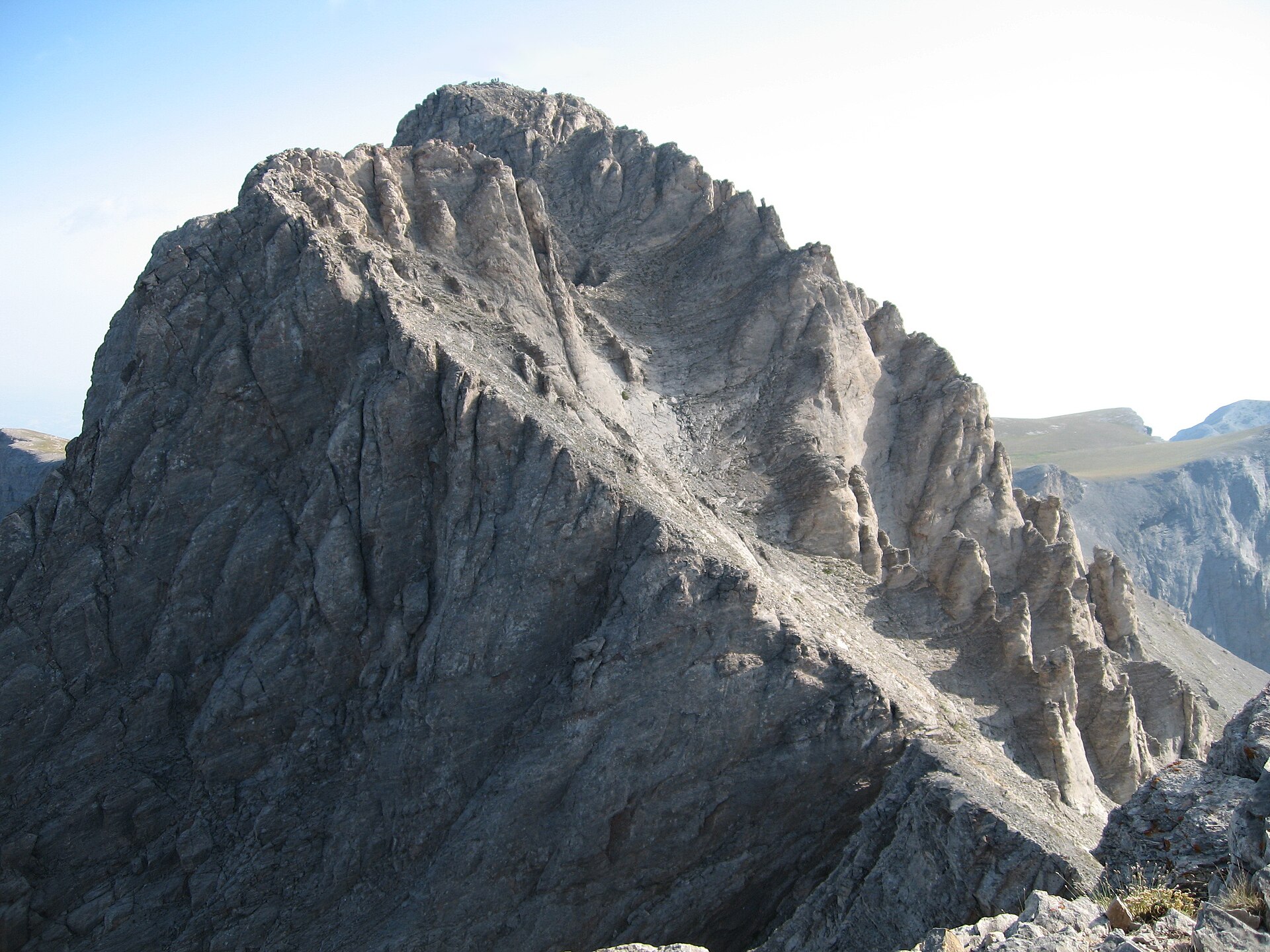
Delphi clings to a mountain slope, and the ancient Greeks believed it was the centre of the world. At the Temple of Apollo, a priestess called the oracle gave mysterious answers to kings. Further north, the Meteora monasteries, homes for monks, sit on top of giant rock pillars that seem to touch the clouds.
In the south, Mycenae was the city of the legendary King Agamemnon from the famous stories of Troy. Visitors walk through the Lion Gate, where carved stone lions still proudly guard the entrance. Nearby, the theatre of Epidaurus carries sound so clearly that a coin dropped on stage can be heard from the highest seats.
Nafplio, an elegant seaside town, was once the capital of modern Greece. Above it rises the Palamidi fortress, reached by a long stone stairway. At Ancient Olympia, where the Olympic Games began, groups can race on the original track. The Corinth Canal, a deep channel cut through solid rock, makes a dramatic photo stop.
How are Greece tours set up in the mainland?
Small-group Greece tours suit friends and couples travelling together who want a guide’s full attention without a crowded coach. Full-day trips from Athens by coach are the economical choice for big parties, such as school classes and sports clubs. They reach Delphi or the southern sites and return to the city by evening.
Guided walking tours inside each site help everyone understand what they are looking at. Without a guide, a field of fallen stones can feel boring to restless teenagers. With one, it becomes an exciting story of kings, gods and battles. Even the quietest members of the group start asking questions about everything.
Entry tickets alone suit groups who want to explore at their own pace, such as families with small children. Multi-day tours with hotel nights work best for clubs and work teams. Many of these Greece historical tours connect Delphi, Meteora and Olympia in one loop. Nobody in the group has to organise the route.
Which services make Greece tours in the mainland easier?
A licensed guide is the biggest advantage on the mainland, because the sites are spread out and packed with mythology. A local guide knows which path leads to the best view and where the shade falls. They also keep a large party moving steadily without anybody feeling rushed or forgotten at the back.
Entry tickets included in Greece tours save the group from long lines at busy gates. The guide hands them out, and the whole party walks in together. This matters most at Delphi and Olympia, where queues grow quickly in summer. Standing in the hot sun drains the energy of young and older travellers alike.
Hotel nights on multi-day trips remove the hardest part of group travel. That is finding accommodation for everyone in the same place. The rooms are reserved before the group even arrives. Luggage rides along in the coach, and each evening ends in a new town that is ready to explore comfortably on foot.
Which tricks save time for groups in the mainland?
Leave early for Delphi and Meteora, since the roads get busier and the sun grows stronger later in the day. Seat anyone who gets carsick near the front of the coach. At Meteora, cover shoulders and knees, because the monks and nuns ask every visitor to dress respectfully. Women may also need a skirt.
Bring water, snacks and a light jacket for the cool mountain air at Delphi and Meteora. Count heads carefully at every stop, and make sure each person has the leader’s phone number. A shared group chat also tells everyone exactly when the coach departs, so nobody is accidentally left wandering among the ruins.
What Do Greece Tours In The Cyclades Offer Big Groups?
The Cyclades offer whitewashed villages, turquoise water and relaxing boat days. Big groups can share a private boat or join a cruise with swim stops and a meal. Every island has its own personality, so a group can mix lively towns with quiet bays. Island Greece tours also leave plenty of free time for exploring.
What should be on every group list in the Cyclades?
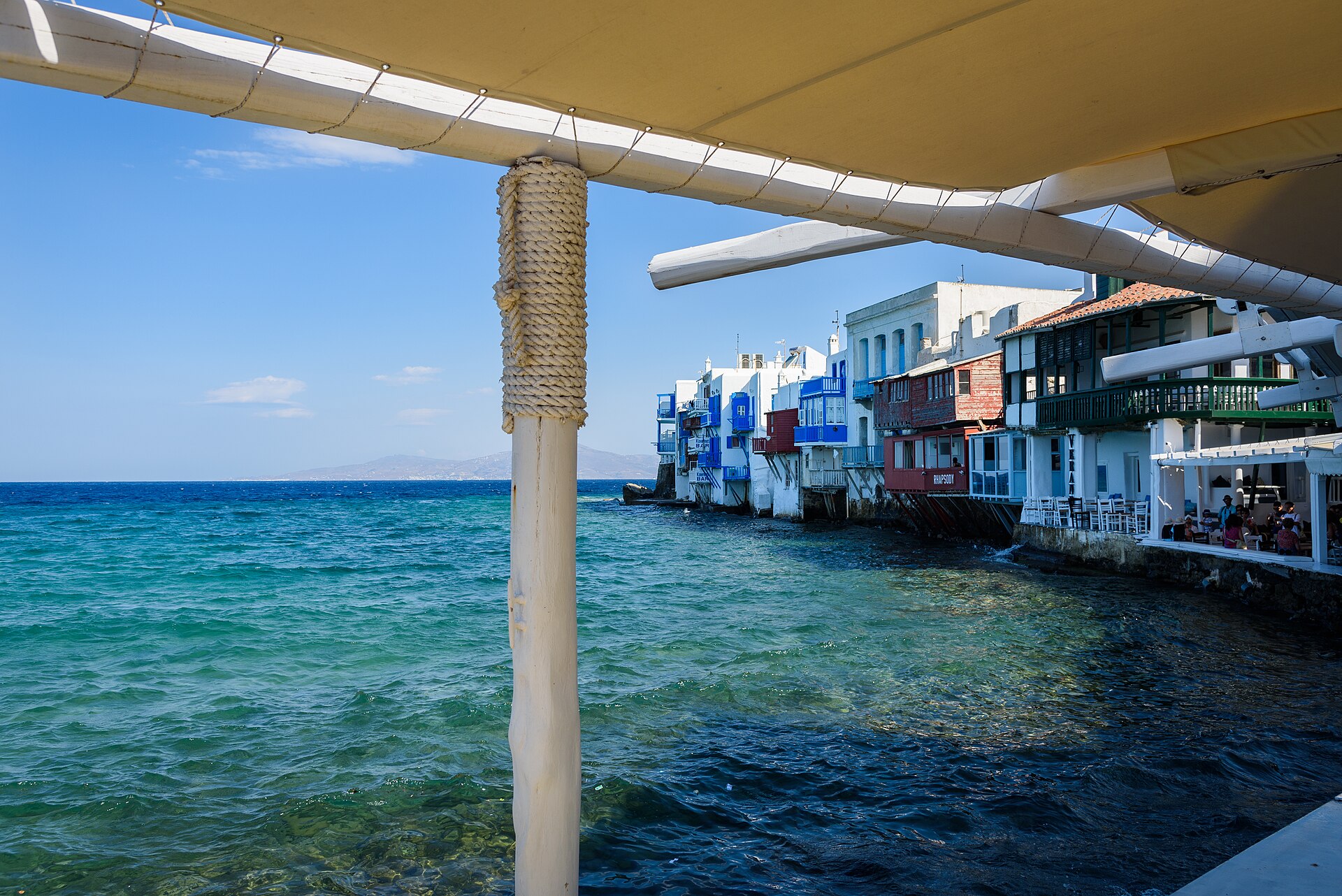
On Santorini, the cliff villages of Oia and Fira hang above a caldera, a volcanic crater flooded by the sea. White houses and blue domes create one of the most photographed views in Greece. On Mykonos, a row of white windmills on a hill once ground grain, and today they frame the sunset.
A short boat ride from Mykonos lies Delos, an island sanctuary, which means a holy place. Mythology says the god Apollo was born there. Nobody lives on the island today, and groups walk among temples, houses and the famous marble lions. Milos is celebrated for its sea caves, once hiding places for pirates.
Naxos has an old town of winding lanes and a Venetian castle quarter. A huge marble doorway from an unfinished temple guards the port. Groups can read more about Naxos before they sail. On Paros, the harbour of Naoussa is full of fishing boats, small tavernas and the ruins of a little seaside castle.
How are Greece tours set up in the Cyclades?
Private Greece tours with a skipper are the favourite choice for big friend groups and families. The boat is priced for the whole party, so the cost per person drops as more people join. On land, a driver-guide can take everyone around the villages of Santorini without any competition for bus seats.
Boat cruises with swim stops suit mixed groups, since swimmers jump in while others relax on deck. Snorkel and beginner scuba trips are fantastic for teenagers and active teams who want to see colourful fish up close. Instructors explain each step slowly and patiently, so even nervous members can try it safely.
Full-day trips from Athens by coach connect with a morning boat. They give busy groups a quick taste of island life before returning. Cooking classes and wine tastings on Santorini suit adults who love delicious food. The volcanic soil gives the local wine a special flavour that visitors rarely discover anywhere else.
Which services make Greece tours in the Cyclades easier?
Lunch or a BBQ meal on board is a big advantage for groups. Finding a seaside table for a large party can be difficult in summer. Drinks are usually included, and some cruises serve them without limit. That keeps the mood cheerful and the bill simple, which matters when many people share one trip.
Snorkel gear comes with most boat trips, so nobody has to pack masks and fins. Swim stops at quiet bays give everyone a chance to cool off. A local guide knows the history of each village and which coves stay calm when the wind picks up. That local knowledge keeps the whole day safe.
Free time to explore matters on busy islands, because not everyone enjoys the same activity at once. Some will go shopping, some will swim and some will relax in a café by the harbour. Wine tastings complete the day for the adults, with local cheese, fresh bread and beautiful views across the water.
Which tricks save time for groups in the Cyclades?
Book boat trips for the morning, when the sea is usually calmer, the water is clearer and the light is softer. Island winds can rise later in the day, so plan swimming early. Choose a meeting spot in each port, like a church or a café, because harbours become crowded quickly when ferries arrive.
Bring sunscreen, a hat, a towel and seasickness tablets for anyone who feels unwell on boats. Wear sandals with good grip for the steep village steps. On Santorini, set a clear time to regroup before sunset, since the crowds in Oia can split a party very quickly. A quick head count keeps the evening calm.
What Are The Best Greece Tours In The Large Islands For Groups?
Crete, Rhodes, Corfu and Kefalonia combine ancient palaces, medieval walled towns and beautiful beaches. Groups can join relaxing boat cruises, guided walks or private island drives. Each island is big enough to fill an entire holiday. Greece tours on these islands work best when a group chooses one comfortable base and explores from there.
What should be on every group list in the large islands?
On Crete, Knossos was the palace of the Minoans, a people who ruled the island long before classical Athens. Legend says the Minotaur, a monster with a bull’s head, lived in a maze called the labyrinth. Groups heading to Crete should also see Chania, with its Venetian harbour, colourful houses and stone lighthouse.
The pink sand of Elafonisi comes from tiny broken shells mixed into the beach. Its shallow lagoon is perfect for children. On Rhodes, the medieval town is ringed by thick walls built by knights. Up the coast, the white village of Lindos sits below a hilltop acropolis, an ancient fortress on high ground.
Corfu old town is a maze of arched lanes between Venetian forts, with French and British touches in its squares. On Kefalonia, the Melissani cave lake is an underground lake whose roof fell in long ago. When sunlight pours through the gap, the water glows blue and the rowboats seem to float on air.
How are Greece tours set up in the large islands?
Private Greece tours with a driver-guide make perfect sense on big islands, where the sights sit far apart. The price covers the whole group, which helps large families, reunions and sports clubs. A private skipper can also reach beaches that coaches never visit, such as hidden coves on the south coast of Crete.
Boat cruises with swim stops suit friends and teams who want an easy day at sea. Groups who start in the capital often try full-day trips from Athens by coach first. On the big islands, similar coach days run from the main towns to the top sights at a low shared cost.
Guided walking tours bring medieval Rhodes and Corfu old town to life for school groups and history lovers. Entry tickets alone suit families who prefer to wander Knossos at their own speed. Cooking classes and wine tastings on Crete are popular with work teams. Sharing a meal they cooked builds genuine team spirit.
Which services make Greece tours in the large islands easier?
Lunch or a BBQ meal is part of many island cruises, often grilled fresh on deck or served on a sandy beach. Drinks come too, and on some boats they are completely unlimited. For a big group, this means one clear cost in advance and no awkward conversations about the bill afterwards.
A licensed guide brings Knossos to life, since the ruins are difficult to understand without help. A local guide on Rhodes or Corfu knows the quiet back lanes that crowds miss. Entry tickets included in the tour let the whole party pass the gate together. That saves valuable time at the busiest sites.
Wine tastings in hillside island villages give adults a slow, delicious break from the sun. Swim stops are the other favourite, and the warm, shallow water at Elafonisi suits children and nervous swimmers. These extras let a group switch easily between learning and relaxing, with no additional planning for the busy organiser.
Which tricks save time for groups in the large islands?
Attractions on the big islands are further apart than they look on a map. Plan a single area for each day. Start early to reach Knossos and Lindos before the tour coaches arrive. Seat people who feel sick on curvy mountain roads near the front, and keep mints and water handy.
Pack swimwear, a towel, sunscreen and a light layer for the chilly air-conditioned coaches. At the Melissani cave, keep the group organised in the boat line so nobody gets left behind on the shore. Agree on a clear meeting time at every stop, and post a friendly reminder in the group chat.
Conclusion: Top Greece Tours For Groups On A Budget, Planned Well
Greece rewards groups who plan carefully. The capital offers ruins, delicious food and sea in one compact city, while the mainland tells the legendary myths. The Cyclades bring boat days and whitewashed villages, and the large islands add palaces, walled towns and pink sand. Greece tours bring it all together for every generation.
The smartest budget trick is to share whatever can be shared, from private guides to boats priced per group. Read about choosing the right Greek tour before booking, and match each excursion to the people going. With good planning, Greece tours give a group memories and stories they will repeat for years.
Frequently Asked Questions About Top Greece Tours For Groups On A Budget
Are Greece tours good value for groups?
Yes, they are, especially when the whole group divides the cost fairly. Private Greece tours priced per group become cheaper per person as more people join, and many boat cruises include lunch and drinks. Shared extras like licensed guides and entry tickets also reduce the hidden costs of organising every detail yourselves.
How early should groups book Greece tours?
Groups should book as soon as their travel dates are confirmed, especially for the busy summer months. Popular Greece tours fill quickly, and private boats and experienced guides are often the first to disappear. Booking early also leaves time to ask about children, special diets and easy access for older members of the party.
Do Greece tours include lunch?
Many Greece tours by boat include lunch or a BBQ meal, usually with drinks. Day trips to ancient sites often stop at a traditional taverna, but the meal may cost extra. Always check exactly what the listing includes before booking, so the whole group knows whether to pack extra snacks and water.
Can groups change Greece tours after booking?
Many Greece tours allow free changes or cancellation up to a set time before departure. Group bookings can have stricter conditions, so read them carefully before paying anything. If the head count changes, contact the provider immediately, as private trips can often adjust to a smaller or larger party without trouble.
Do Greece tours include hotel pickup?
Plenty of Greece tours include pickup from central hotels in Athens and the main island towns. Others use a clear meeting point, such as a square, a port or a museum entrance. Large groups can often request a single pickup location, which keeps everyone together from the very beginning of the day.
Do Greece tours run in all weather?
Most Greece tours on land continue in light rain or strong summer sunshine. Boat trips are different, since powerful winds can make the sea dangerous and captains may cancel for safety. When that happens, groups usually receive a new date or a full refund, so a backup plan on land is always sensible.
How do groups decide between private and shared Greece tours?
Groups decide by comparing their size, preferred pace and overall budget. Private Greece tours suit larger groups wanting their own schedule, while shared Greece tours suit smaller groups keeping spending low. An honest conversation about what matters most to each traveler makes the final decision much easier.
What private Greece tours give a group
A private tour belongs to one group alone, from the first pickup to the final stop. The guide sets a comfortable pace, answers every question and adjusts the plan whenever someone gets tired. For big families with young children or older relatives, that flexibility is usually worth the extra cost.
Private Greece tours also make financial sense for large parties. When a full van or minibus is divided among many people, the cost per person can come surprisingly close to a shared seat. The group also controls the whole vehicle, so bags, snacks and car seats stay together all day.
A private driver lets friends stop whenever a beautiful view catches their eye. That freedom matters on the scenic drives in mainland Greece, where mountain roads and coastal views appear around nearly every bend. Nobody has to hurry back to a crowded bus that leaves on a fixed schedule.
Wine days also work beautifully in private. A group can explore the popular wine regions in Greece with a professional driver, so nobody needs to drive after a tasting. Company groups often choose this option for a relaxed team day away from the office.
When shared Greece tours work better
Shared tours combine several small parties on one bus or boat. The price per person stays lower because the operating costs are divided among more travelers. For a small circle of friends on a tight budget, this is often the smartest and simplest choice.
Shared tours follow a fixed itinerary, which means the group has less control over stops and timing. Still, most shared Greece tours cover the famous sights well and include an experienced guide. These day trip ideas from Athens show how much a group can comfortably see this way.
Shared tours also bring new faces into the day. Teenagers often enjoy meeting other visitors on the bus, and social clubs appreciate the friendly atmosphere. The group can still sit together, eat together and compare photos at the end of the day.
A smart strategy combines both kinds of Greece tours. Groups can book shared seats for the famous landmarks and save private days for the moments that matter most. A birthday dinner, a team celebration or a family reunion always feels more special with a private plan.
Why do guided Greece tours help groups?
Guided Greece tours help groups because one expert handles the route, the entry tickets and the historical stories. Everyone can relax, listen and enjoy the sights instead of studying maps. The guide also keeps a large group together in crowded places, which prevents stressful moments.
Guides bring ancient stones to life
Ancient ruins can look like piles of rock without the right story behind them. A good guide explains what each building was for and who used it. Suddenly a broken column becomes part of a busy temple, a holy building where people once honored their gods.
In Greece, only state-licensed guides may lead groups inside archaeological sites and museums. Archaeological sites are places where experts have uncovered ancient buildings. These guides complete official training, so they handle tricky questions from curious children and history fans with ease.
Before the trip, group members can read a practical guide to ancient ruins. A little homework helps everyone ask better questions during the visit. It also helps the group decide which sites deserve a full guided tour and which ones need only a quick look.
Guides on Greece tours also manage the small details that slow groups down. They know the quickest entrances, the shadiest paths and the best spots for a group photo. That saves valuable time, keeps everyone calm and prevents arguments about where to go next.
Myths make guided Greece tours fun for every age
Greek myths are ancient stories about gods, heroes and monsters. Guides love telling them at the exact spot where each story took place. Children remember a hero’s adventure far better when they are standing on the very hill from the legend.
Groups who enjoy these stories can study the top Greek mythology sites and plan a route around them. Delphi, for example, was once considered the center of the world. A guide there explains why travelers came from far away to consult the oracle, a priestess who gave advice.
Good guides also connect these myths with real history and real places. This myth to map travel guide shows how legends and actual locations fit together. With that background, guided Greece tours feel like one big adventure the whole group shares.
How do groups plan rest around Greece tours?
Groups plan rest by leaving free time after every long tour day. A slow morning, a beach afternoon or a quiet dinner keeps everyone fresh for the next round of Greece tours. Regular breaks also prevent small disagreements from growing into bigger problems.
Balance busy Greece tours with easy days
Long tour days under the summer sun exhaust people quickly, especially children and older relatives. A sensible rhythm alternates one full day of sightseeing with one lighter day. On the lighter day, the group can sleep late, swim or wander through a local market.
Markets make excellent rest-day outings because there is no fixed schedule. The food markets in Greece overflow with olives, cheese, honey and fresh bread. Groups can snack, chat and pick up small gifts for family back home at their own relaxed speed.
Summer afternoons in Greece become very hot. Many locals rest indoors during the warmest hours, and visiting groups can follow their example. Morning Greece tours and evening walks leave the hot middle of the day free for a nap or a swim.
Group leaders should watch for clear signs that people need a break. These warning signs appear in every kind of group, from families to office teams:
- Children turn cranky or unusually quiet
- Older relatives fall behind on walks
- People skip meals or forget to drink water
- Conversations become short and tense
- Nobody wants to take photos anymore
Use travel time as rest time
Moving between destinations on longer Greece tours can double as a welcome break. A slow train or a long ferry gives the group time to read, nap or play cards. The scenic train rides in Greece offer lovely countryside views without any effort at all.
Ferries work the same way for island trips. A group can relax on the deck, watch the sea and recharge before reaching the next island. This guide on how to travel between Greek islands helps groups choose routes that leave plenty of room for rest.
Group leaders should avoid combining a long transfer and a big excursion on the same day. Arriving tired at a famous site wastes the experience for everyone. Spacing Greece tours between gentle travel days keeps the whole holiday enjoyable from start to finish.
How do groups pick a meeting point for Greece tours?
Groups pick a meeting point that is easy to find, close to their hotel and simple to reach on foot. A clear spot saves time and keeps Greece tours starting on schedule. Every member should know the exact location the evening before departure.
Choose a spot everyone can find
The best meeting points for Greece tours are large, obvious landmarks that nobody can miss. A hotel lobby, a main square or a famous church all work well for groups. Narrow side streets and crowded corners are difficult to spot, especially in the early morning.
Group leaders should share the meeting point in the group chat with a pin on the map. A clear photo of the spot helps first-time visitors recognize it quickly. That way, even the person who always runs late knows exactly where to go.
Many Greece tours include hotel pickup, which removes most of the stress. When pickup is not available, the group should choose one central hotel as its base. Everyone gathers there first, checks that nobody is missing and then walks to the tour start together.
Plan meeting points for island Greece tours
Island trips often start at a busy port, and large ports can feel confusing. Groups should arrive early and meet at a clear spot, such as a ticket office near the gate. This Greece island tours guide explains how most trips from Athens begin.
Walking to the meeting point is often the simplest option. It saves money, reduces traffic and lets the group watch the town wake up. These tips on sustainable travel in Greece show more ways groups can explore responsibly.
A backup plan matters too, especially in busy cities. Groups should agree on a second meeting spot in case someone gets lost or a phone battery dies. With a clear plan in place, Greece tours start smoothly and every day begins on a happy note.
Which Greece tours suit very hot days?
Early morning sightseeing, boat trips with swimming stops and evening walking tours suit very hot days best. These Greece tours keep groups away from the strongest midday sun. The hottest hours are better spent resting in the shade or cooling off indoors with a cold drink.
Start Greece tours at sunrise
On hot summer days, the first hours after sunrise are the coolest and calmest of the whole day. Groups who start early see famous sites before the stone paths and marble steps heat up. They also enjoy softer light, which makes every group photo look better.
The Acropolis in Athens has very little shade, so an early visit makes a huge difference for groups. These tips on avoiding crowds at the Acropolis help groups plan the best arrival. Fewer people also means the guide can speak without shouting over other groups.
Booking entry ahead saves precious time standing in the hot sun at the main gate. Groups can read about buying Acropolis tickets in advance before the trip. Every minute in a slow queue feels longer when children and older relatives are waiting together.
Every group member should carry water, a hat and sunscreen on hot Greece tours. Light, loose clothing in pale colors keeps bodies noticeably cooler during long walks. Guides usually know the shadiest rest spots along the route, so groups should follow their lead.
Cool off on the water and after dark
Boat trips are a favorite way to beat the heat. A sea breeze keeps everyone comfortable, and swimming stops in clear bays cool the whole group down. Many island Greece tours include snorkeling time, which children and teenagers especially love.
Evening tours are another smart choice for hot weather. Sunset walks, food tours and night visits to old town centers start once the heat fades. The group sees local life at its liveliest, when families come out to stroll, chat and eat together.
Indoor stops also help during the hottest hours. Cool museums, shady cafés and long, slow lunches give everyone a chance to recover. After a proper rest, the group returns to its Greece tours feeling fresh for the evening.
Where groups sleep matters on hot days too. Some eco-friendly accommodations in Greece use thick stone walls and shady gardens to stay cool naturally. A pleasant base makes the long midday break far more restful for everyone.
Which Greece tours suit windy days?
Land-based Greece tours suit windy days best. Mainland day trips, village walks, wine tastings and museum visits keep groups comfortable when strong winds make the sea rough. Boat trips can simply wait for a calmer, sunnier day later in the week.
Understand the summer wind
Greece has a famous summer wind called the meltemi, a dry wind that sailors have known since ancient times. It blows from the north across the Aegean Sea, often for several days in a row. On those days, the sea turns choppy and many small boats stay in port.
Strong wind can delay or cancel ferries, boat tours and island day trips. Groups should keep island Greece tours flexible and leave a spare day before any flight home. A relaxed plan stops one windy morning from spoiling the whole holiday.
Windy days on Greece tours are not wasted days. The wind keeps the summer heat in check, which makes it a great time for walking around island villages. Hilltop towns, old windmills and sheltered beaches on the calmer side of an island all make excellent choices.
Switch Greece tours to land
When the sea gets rough, smart groups move their plans inland. Small-group and private tours adjust far more easily than large fixed excursions. These small group and private experiences show how flexible Greece tours can change direction quickly.
Every island and mainland region offers sheltered activities when the wind picks up. Good windy-day Greece tours for friends, families and clubs include these options:
- Wine tastings at family-run vineyards
- Cooking classes with local home cooks
- Village walks on the sheltered side of an island
- Museum visits in the larger towns
- Mainland day trips to ancient sites
Mainland Greece tours really shine on these days. Ancient sites, mountain towns and lively city markets stay comfortable in the breeze. Best of all, nobody in the group has to worry about seasickness on a rolling boat deck.
Group leaders should check the wind forecast every evening during island stays. A quick look the night before gives everyone time to swap a boat trip for a land tour without stress. That simple habit keeps the whole group calm, informed and happy.
Which Greece tours suit cooler days?
Hiking, walking tours, monastery visits and full-day trips to ancient sites suit cooler days. Mild weather lets groups enjoy longer Greece tours at a steady pace without heat stress. Spring and autumn bring many of these comfortable, bright days across the country.
Walk and hike on cooler Greece tours
Cooler days are perfect for exploring Greece on foot with the whole group. Old town centers, coastal paths and mountain trails all feel easier when the sun is gentle. This guide to Greece walking tours covers routes that suit mixed groups of every fitness level.
Nature lovers can head into the wild for a full day. The best nature reserves in Greece offer gorges, wetlands, forests and colorful birdlife. Mild weather makes long trails safe and pleasant, even for families with older children.
Cool days also suit places far from the usual crowds. Mountain villages, quiet valleys and small harbor towns shine in soft autumn light. These hidden gems beyond the tourist trails show groups a fresh side of Greece.
Groups should still pack layers on cooler Greece tours. Mornings in the mountains can feel chilly, while afternoons on the coast often stay pleasantly warm. Sturdy shoes and a light rain jacket cover most surprises along the way.
Visit monasteries and local festivals
Monasteries often sit on steep cliffs or hilltops, so climbing to them is easier in cool weather. Meteora, where monasteries stand on top of huge rock pillars, is a classic choice. This guide on how to visit Greek monasteries explains dress rules and polite behavior.
Cooler seasons also bring important local celebrations. Easter is the biggest holiday in Greece, with candlelit processions, which are slow religious parades through the streets. The guide to Greek holiday customs and traditions helps groups match their Greece tours to these special moments.
Autumn brings the grape harvest in many wine areas, followed later by the olive harvest. Some villages welcome visitors to watch the work or even lend a hand. These hands-on Greece tours create lasting memories for families and company teams alike.
Which Greece tours suit rainy days?
Museum visits, cooking classes, wine tastings and private driving tours suit rainy days. These indoor and covered Greece tours keep groups dry while they still learn and have fun. Rain in Greece falls mostly in the colder months, so summer groups rarely face it.
Head indoors on rainy Greece tours
Athens has excellent museums that fill a wet day easily. The Acropolis Museum and the National Archaeological Museum hold treasures from across ancient Greece. A licensed guide brings the statues and painted pottery to life, so nobody in the group feels bored.
Cooking classes are another great rainy-day choice for groups. Everyone learns to make simple Greek dishes such as salads, dips and pies, then sits down together to enjoy the results. Company groups often use these warm, friendly classes as relaxed team-building events.
Wine tastings also work well when the weather turns gray. Many wineries have cozy tasting rooms where groups sit together and learn how local grapes become wine. A hired driver keeps the day safe, so everyone can relax.
Rain does not have to break the budget. Museums, churches and covered markets offer plenty to see without heavy spending. These budget tips for Greece visitors show more ways groups can travel well for less.
Choose flexible Greece tours for wet weather
Private tours handle bad weather better than fixed group trips. A private guide can swap a beach stop for a museum or a winery very quickly. This guide to Greece private tours explains how personal plans adjust to the day.
Smaller towns hold quiet surprises on wet days too. Old churches with painted walls, local folk museums and family workshops welcome visitors indoors. A good guide can link these short stops into a full rainy-day route for the group.
Rainy days are also a good moment to slow down. A long lunch in a cozy taverna, which is a traditional Greek restaurant, feels special when rain taps on the windows. Groups can share stories, play card games and plan the next sunny outing together over coffee and sweets.
Where the group stays affects rainy days too. A comfortable base with shared spaces gives everyone room to relax indoors without feeling cramped. Groups should check the forecast and keep one indoor plan ready for every few days of Greece tours.
Which places do Greece tours for groups visit?
Greece tours for groups visit the sunny Cyclades islands, the classic mainland sites and the large green islands. Each area offers beaches, history and good food for every age. Many groups combine more than one area to get a fuller picture of the country and its people.
Islands
The Cyclades are a cluster of islands in the Aegean Sea, southeast of Athens. Island Greece tours here mix beaches, boat trips and white villages that look great in every photo. Ferries link the main islands throughout the summer, so groups can easily visit more than one in a single trip.
- Santorini, known for blue domes, volcanic cliffs and famous sunsets over the sea
- Mykonos, known for old windmills, lively beaches and stylish harbor streets
- Paros, known for relaxed fishing villages, sandy beaches and easy ferry links
- Milos, known for colorful boathouses, hidden sea caves and moonlike white rocks
- Ios, known for golden beaches, a hilltop white village and lively evenings
Mainland
The mainland holds some of the most important ancient sites in Europe. Mainland Greece tours usually travel by coach or minivan, which keeps big groups together on the road. At each ancient site, a licensed guide explains the history in simple, lively words that children and adults both enjoy.
- Athens, the capital, home to the Acropolis and the Parthenon temple
- Delphi, where an ancient priestess, the oracle, once gave advice
- Meteora, known for monasteries perched on top of giant rock pillars
- Olympia, the birthplace of the Olympic Games in ancient times
- Mycenae, an ancient royal city guarded by the famous Lion Gate
Large islands
The large islands offer more space, more beaches and more variety than the small Cyclades. Groups can stay in one base and take easy day trips across the island. These Greece tours suit big families and clubs who prefer fewer hotel changes and more beach time.
- Rhodes, known for a walled old town built by knights long ago
- Corfu, known for green hills, Venetian forts and an elegant old town
- Kefalonia, known for bright turquoise beaches and an underground cave lake
- Zakynthos, known for Shipwreck Beach, sea caves and nesting sea turtles
How do groups plan Greece tours over eight days?
Groups plan eight-day Greece tours in three parts. They start in Athens, visit famous mainland sites, then finish with relaxing days on the islands. This order saves travel time and ends the trip on a calm, sunny note.
Days one to three: start in Athens
Most international flights land in Athens, so the capital makes a natural starting point. Groups can spend the first morning on a guided visit to the Acropolis, the rocky hill that holds the Parthenon temple. In the afternoon, the nearby Acropolis Museum shows the original statues up close.
The second day suits a walk through Plaka, an old neighborhood below the Acropolis, and a visit to a busy central market. Food tours here let groups taste fresh pastries, olives and grilled meat on skewers. A rooftop dinner with views of the lit-up Acropolis makes a great group memory.
On the third day, groups can take a day trip to the coast or a nearby ancient site. Cape Sounion, with its temple high above the sea, is a popular sunset choice. Groups who want to set their own rhythm can use this guide to self-guided itinerary planning.
Staying in one Athens hotel for all three nights keeps things simple for big groups. Nobody has to repack, and the hotel lobby works as an easy daily meeting point. Greece tours that start this calmly give tired travelers time to adjust after a long flight.
Evenings in Athens stay lively, with open squares, street music and families out walking. Groups can split up for an hour of shopping, then meet again for dinner at one shared table. This easy rhythm keeps everyone happy before the road trip begins.
Days four and five: Delphi and Meteora
On day four, the group travels north by coach or minivan to Delphi. The drive passes olive groves and mountain villages, and the ancient site sits on a steep slope with wide valley views. A licensed guide explains how ancient Greeks came here to ask the oracle about their future.
From Delphi, the road continues to Kalambaka, the small town below Meteora. Groups usually spend the night there so they can see the monasteries the next morning. Sunset over the rock pillars is one of the most striking sights in the whole country.
On day five, groups visit several monasteries that are still home to monks and nuns. Visitors need modest clothing, so shoulders and knees should be covered. Afterward, the group returns to Athens or heads to the port for the next leg of these Greece tours.
This two-day loop is a classic part of Greece tours for groups. A private coach keeps everyone together, and the driver handles the long mountain roads. Groups that prefer trains can also reach Kalambaka by rail from Athens.
The mainland leg involves long drives, so comfort matters for every age. Groups should pack water, snacks and a light jacket, since mountain air feels cooler than the city. Regular stops at village cafés break up the journey and let everyone stretch their legs.
Days six to eight: island time
The last three days belong to the islands. From Athens, groups can take a ferry from Piraeus port or a short flight to Santorini or Mykonos. This Athens, Santorini and Mykonos itinerary shows how to fit both islands into a tight schedule.
Day six covers the ferry ride and a relaxed first evening by the sea. Day seven suits a boat trip with swimming stops or a guided walk through a cliffside village. Groups who want to see more islands can read about Greek island hopping before booking ferries.
On day eight, the group flies or sails back to Athens for the trip home. Ferries can run late on windy days, so a flight or an early ferry leaves a safe buffer. Island Greece tours end best when the last day feels calm, not rushed.
Groups with lots of energy can swap one beach day for a second island. Families with young children often prefer one island base and short boat trips instead. Both choices work well when the whole group agrees on the plan early.
Island evenings are the reward for a busy week. Groups can share a long seafood dinner by the harbor and watch fishing boats come home. It is the perfect way to close a full week of sightseeing together.
More questions about Greece tours for groups
Groups often ask the same practical questions before booking Greece tours, from wheelchair access and weather to snacks, tips and private boats. The clear answers below help group leaders plan with confidence.
Are Greece tours suitable for wheelchair users?
Many Greece tours can suit wheelchair users, especially private tours with adapted vehicles and city museums with step-free entry. The Acropolis has a special lift for visitors with limited mobility, which saves the steep climb. Group leaders should share every access need with the organizer when booking.
What happens if weather cancels Greece tours?
When bad weather cancels Greece tours, the organizer usually offers a new date, a different activity or a refund under its booking terms. Boat trips are the tours most often stopped, mainly because of strong summer wind. A flexible schedule with a spare day helps groups rebook without stress.
Can groups thank a guide on Greece tours?
Yes, groups can thank a guide with warm words, a small tip or a kind note at the end of Greece tours. Tipping is welcome in Greece but never required. Many groups collect a tip together and hand it over in one envelope at the final stop.
Can groups bring snacks on Greece tours?
Yes, groups can bring water and light snacks on most Greece tours, though eating is not allowed inside many museums and archaeological sites. Snacks are best saved for breaks in shady rest areas outside the main gates. Groups should also carry their litter away to keep every site clean.
Are Greece tours fine for people who walk slowly?
Yes, Greece tours work well for slow walkers when groups choose private or small-group options with a gentle pace and frequent rest stops. Guides can shorten routes, skip steep climbs and plan extra time on benches. Comfortable shoes with good grip help on smooth, slippery marble paths.
Can a family book a private boat on Greece tours?
Yes, a family can book a private boat on many island Greece tours and choose its own swimming spots, lunch stop and pace. Private boats suit big families with young children or grandparents, since the captain can adjust the plan. Booking early matters in summer, when the best boats fill up fast.
See more in Greece Athens Escorts: